3rd Single Cell & Spatial Omics Hackathon
Collaborate on Real Single-Cell and Spatial Omics Datasets
Join SCSOK ZulipResults
Spatial Transcriptomics
Spatially Structured TF–Isoform Regulatory Programs in Mouse Cortex
Inkyung Ko, Gaeun Byun, Dabin Lee, Seoyeon Lee, Haeun Jung, Youngseok Choi, Heesun Choi (Korea University) · Topic: TF–isoform spatial regulation in cortex
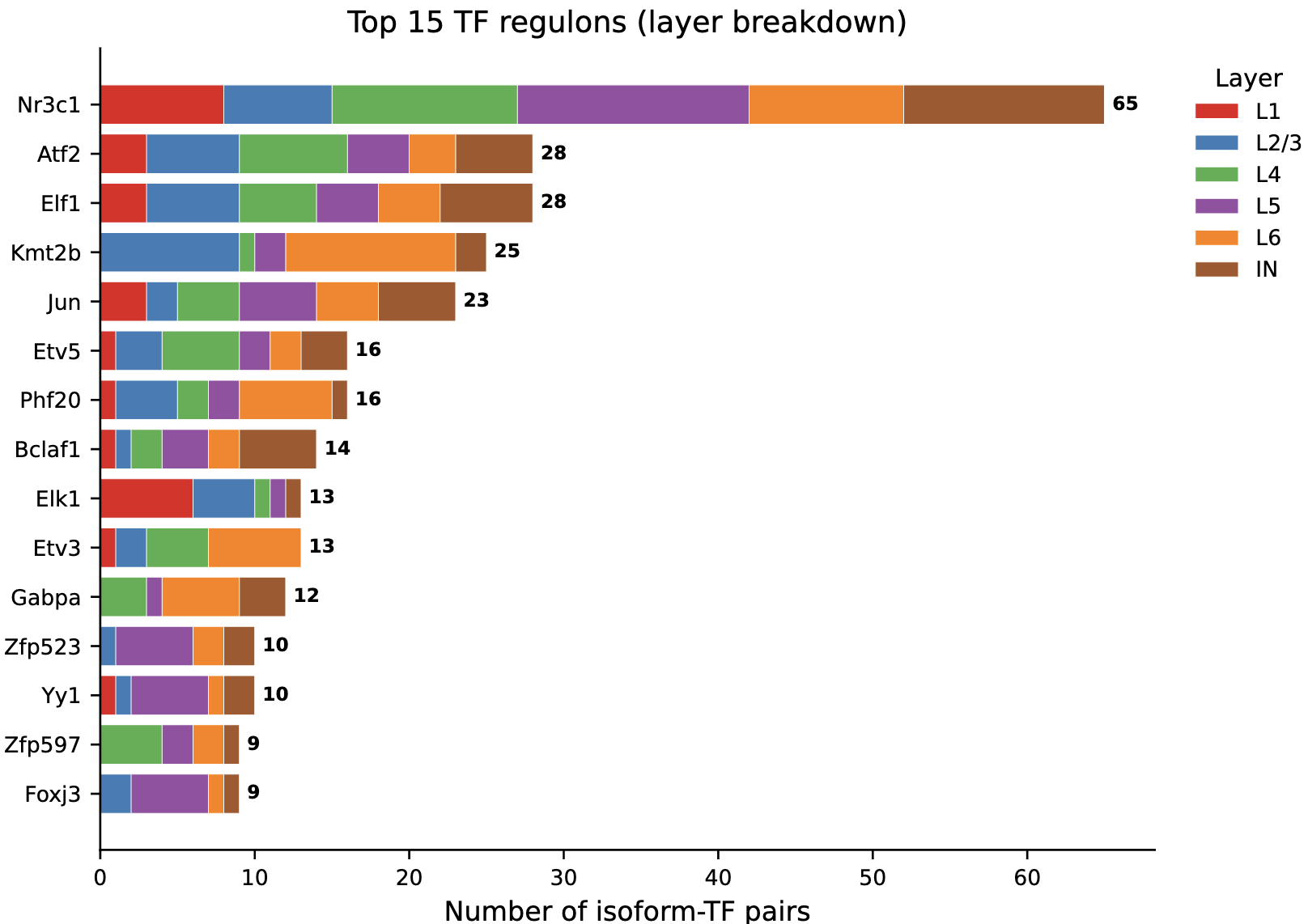
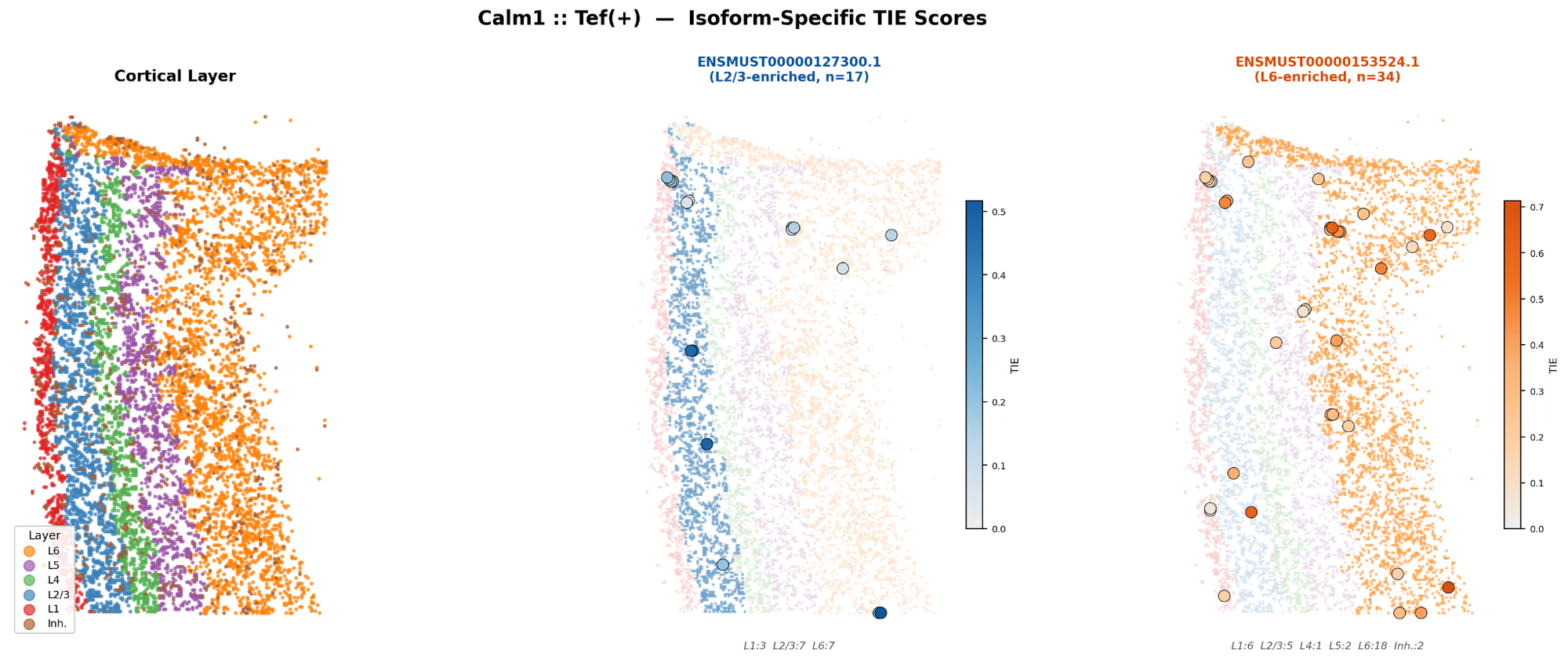
Developed a comprehensive pipeline for analyzing spatially structured TF–isoform regulatory programs in mouse cortex using 10x Visium HD data. Quantified isoforms at the spot-level (16µm bins) and inferred TF regulon activity via pySCENIC, identifying 95 significant regulons. Introduced the TIE (TF-Isoform Effect) score integrating PSI, gene expression, and TF activity, and applied Moran's I spatial autocorrelation analysis to identify 63,804 spatially variable TF–isoform pairs. Layer-specific analysis revealed distinct isoform switching patterns, such as Calm1 isoforms regulated by Tef across cortical layers. Also developed ASAP, a RAG-based agentic AI platform for end-to-end spatial transcriptomics analysis.
Spatial Domain Reconstruction & Niche Gene Analysis
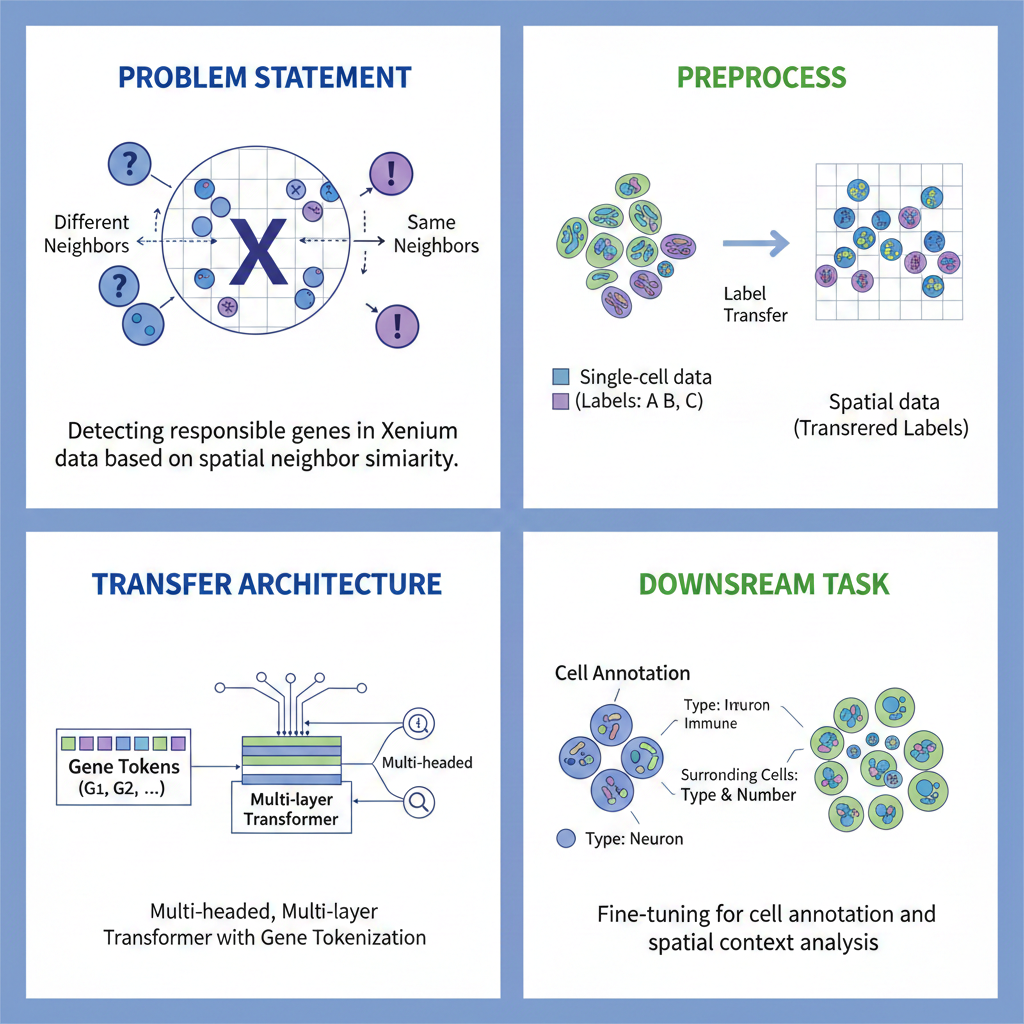
Jahanzeb Saqib (Laboratory for Single Cell Systems, Prof. Junil Kim, Soongsil University) · Topic: Predicting spatial neighbors using transformer architecture
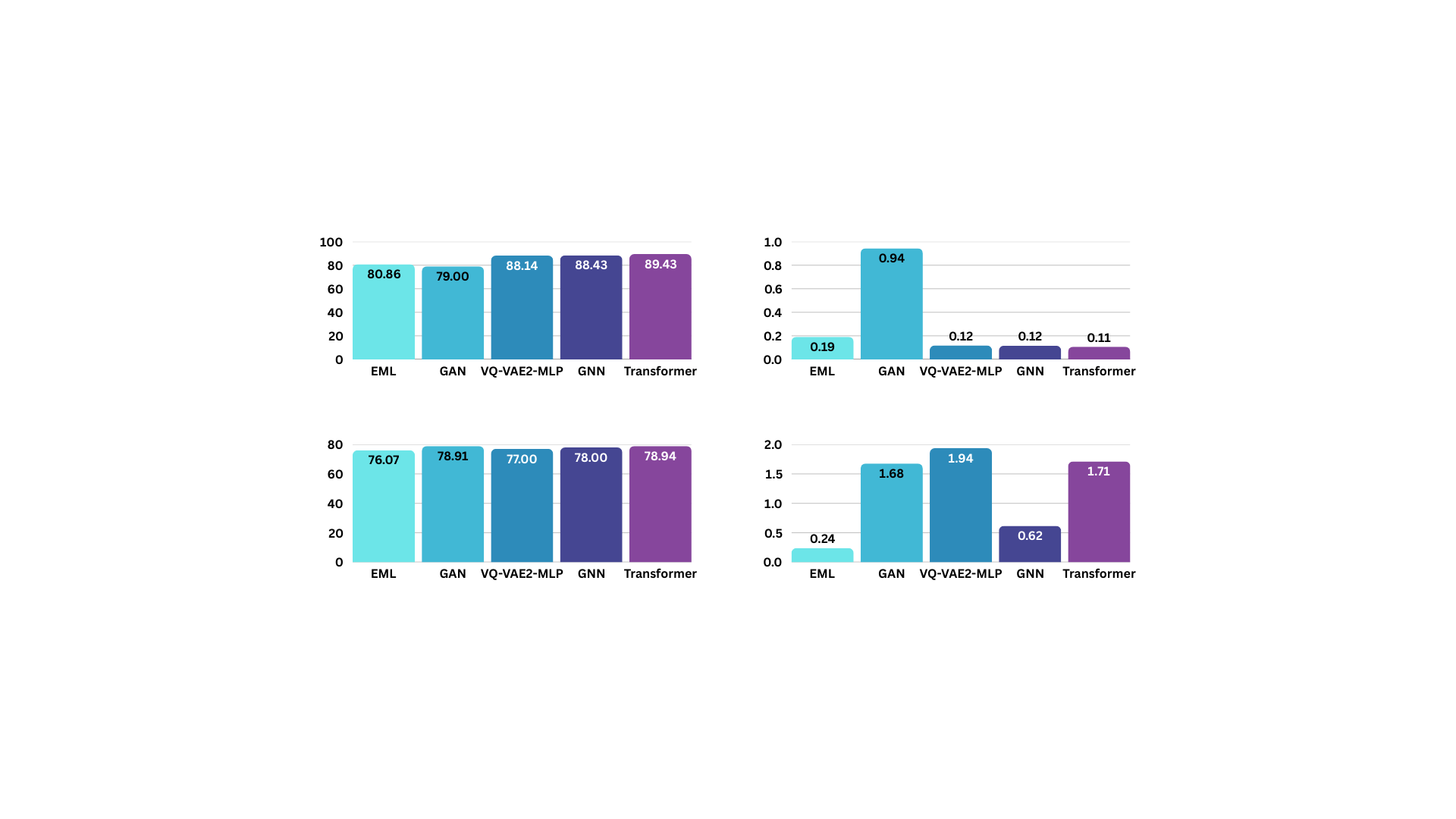
Built a cancer-biology-specialized transformer model for spatial neighborhood prediction and niche gene analysis using Xenium data from 4 cancer types (breast, lung, ovarian, pancreatic) across 7 slides (~1M spots, ~5K genes). The model encodes gene expression, metadata, and neighbor cell type information into a unified sentence representation, inspired by NicheFormer and scGPT architectures. Achieved ~77% accuracy in spatial data predictions for cell type label transfer and neighborhood composition. Demonstrated effectiveness in identifying niche genes influencing spatial interactions in the tumor microenvironment, with potential for perturbation prediction.
Visium Platform Comparison & Stereo-seq Analysis
Yeongjun Kim, Ohbin Kwon, Onyu Shin (BIS Lab, Center for Genome Engineering, IBS) · Topic: Comparing Visium capture methods & Stereo-seq disease analysis
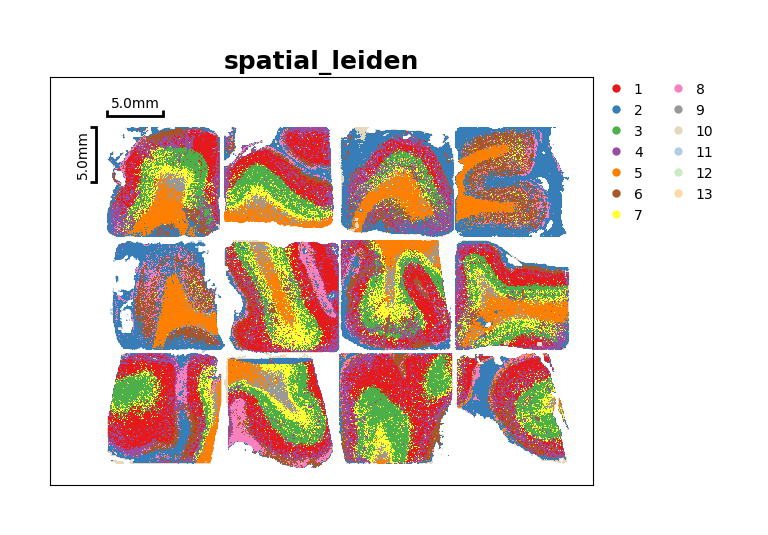
Conducted a systematic comparison of Visium platform configurations: OCT Manual (Poly-A capture), OCT CytAssist, FFPE Manual, and FFPE CytAssist (all Probe-based) on mouse spleen tissue. Demonstrated that probe-based methods yield significantly higher UMI counts and mapping confidence (85–98%) compared to Poly-A (66–79%), while Poly-A uniquely detects non-probe genes (e.g., Hba-a1, a red pulp marker). Additionally performed hands-on Stereo-seq analysis of brain tissue at sub-cellular resolution, showing that white matter sublayer size decreases with disease progression across control, moderate, and severe conditions.
Spatial Transcriptomics Foundation Model Benchmarking
Gahyun Kim, Hyun Seo Lee, Cherin Lee (Laboratory for Single Cell Systems, Prof. Junil Kim, Soongsil University) · Topic: Benchmarking deconvolution & super-resolution methods
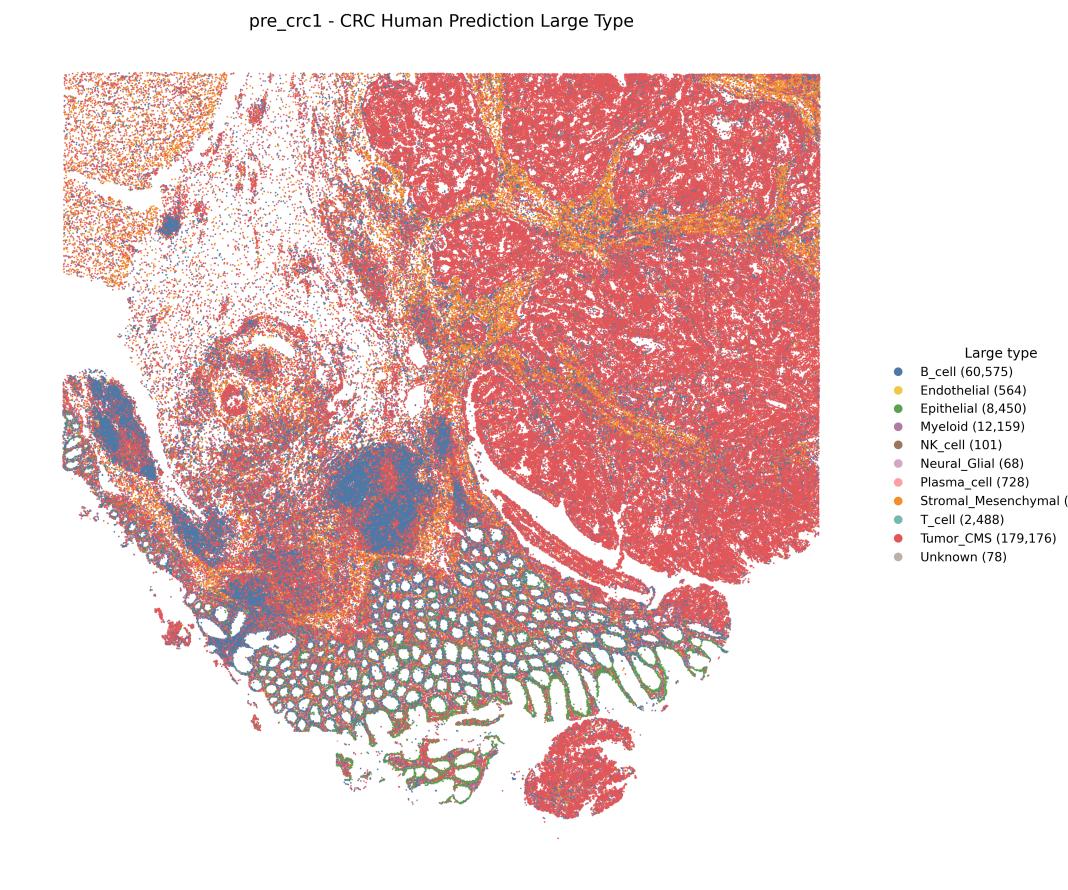
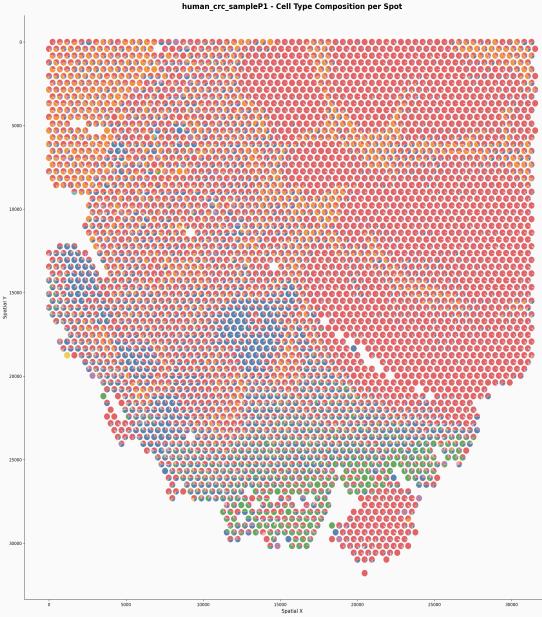
Systematically benchmarked spatial transcriptomics foundation models for deconvolution and super-resolution using Xenium-derived pseudovisium data from human CRC as ground truth. Evaluated TransformerST (super-resolution), Loki OmiCLIP (multimodal deconvolution), scGPT-Spatial (embedding-based deconvolution), and cell2location. TransformerST failed to recover sparsity patterns during super-resolution. Loki's pretrained text embeddings could not distinguish cell types (cosine similarity ~1 across types). scGPT-Spatial achieved the best performance with PCC > 0.8 for major cell types (Epithelial, Tumor_CMS, Stromal_Mesenchymal), while cell2location showed more robust performance for rare cell types.
Long-Read Spatial Transcriptomics: Structural Variants & Isoform Analysis
Hyeon-Min Kim, Junseong Bae, Sohui Kim, Yuhui Jeong (PNU COLab) · Topic: Long-read Visium HD analysis pipeline
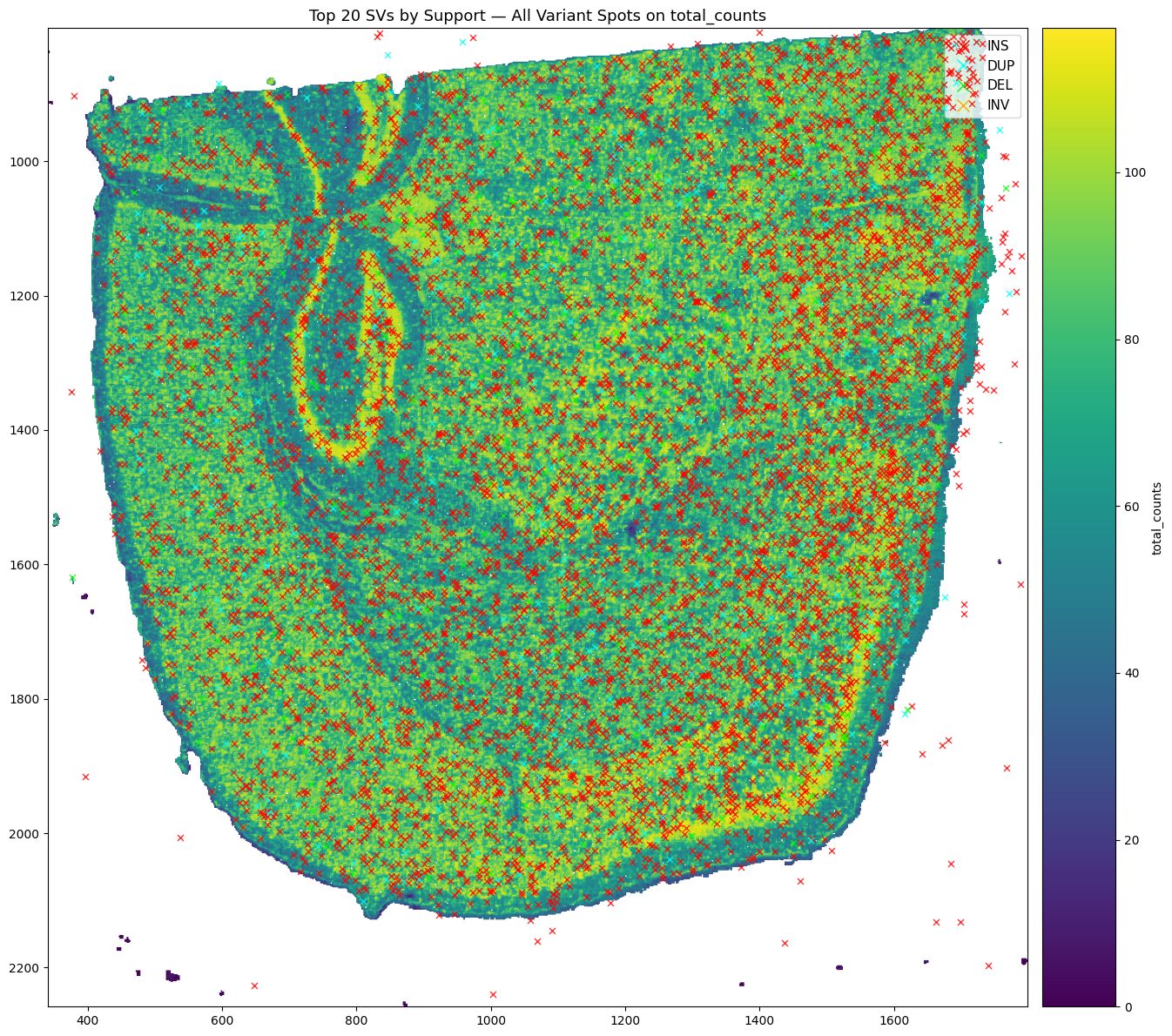
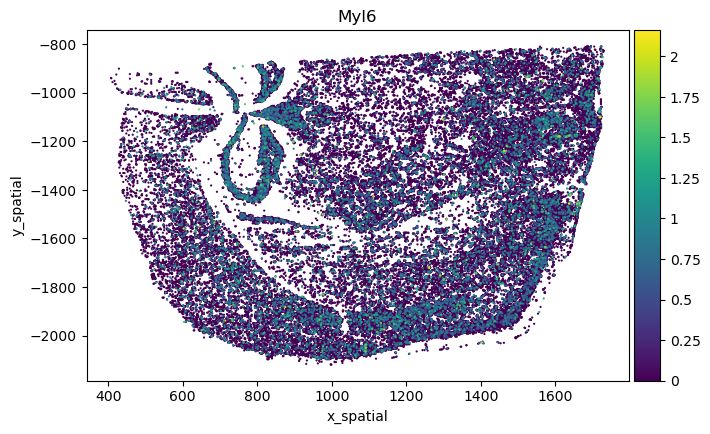
Developed an analysis pipeline for long-read Visium HD spatial transcriptomics data, covering three domains: (1) Basic analysis with Tangram-based cell typing using annotated single-cell reference data; (2) Spatial distribution of structural variants (SVs) detected via Sniffles2 (931 SVs) and cuteSV (9,058 SVs), plus gene fusion detection via JAFFAL (270 fusions), all spatially mapped to tissue coordinates; (3) Isoform-level spatial analysis using stLENS, revealing isoform-specific spatial patterns (e.g., Myl6 isoforms differentially expressed between ventricle and hippocampal neurons). Also applied SUPPA2 and SpliZ for splicing event analysis, proposing a workflow for spatial long-read splicing analysis.
Single-cell Transcriptomics
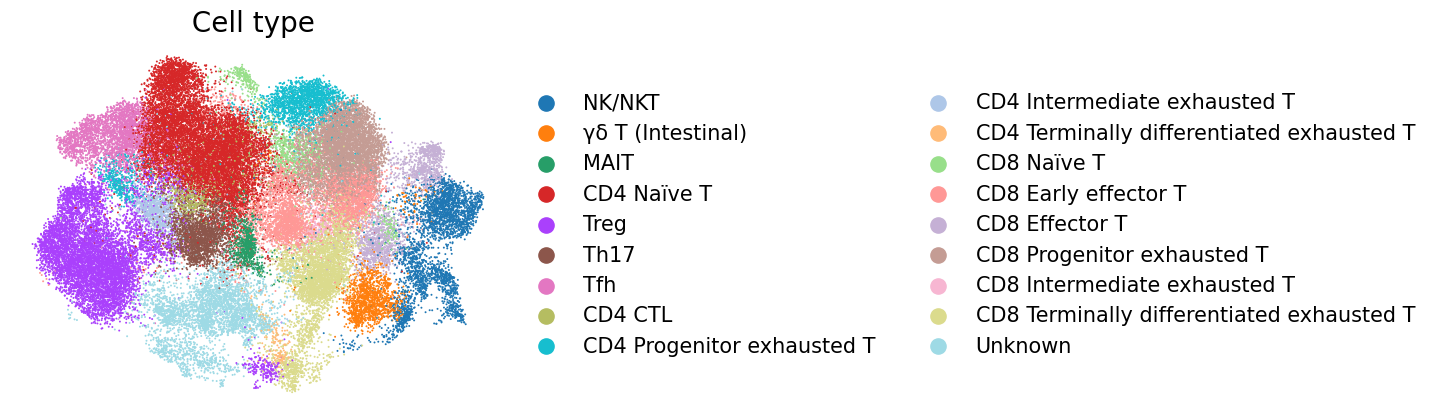
DEG-Based Iterative Cluster Merging for Sub-Cell Type Annotation
Chaewon Kim, Seungyoon Song (Laboratory for Single Cell Systems, Prof. Junil Kim, Soongsil University) · Topic: Automated sub-cell type cluster optimization
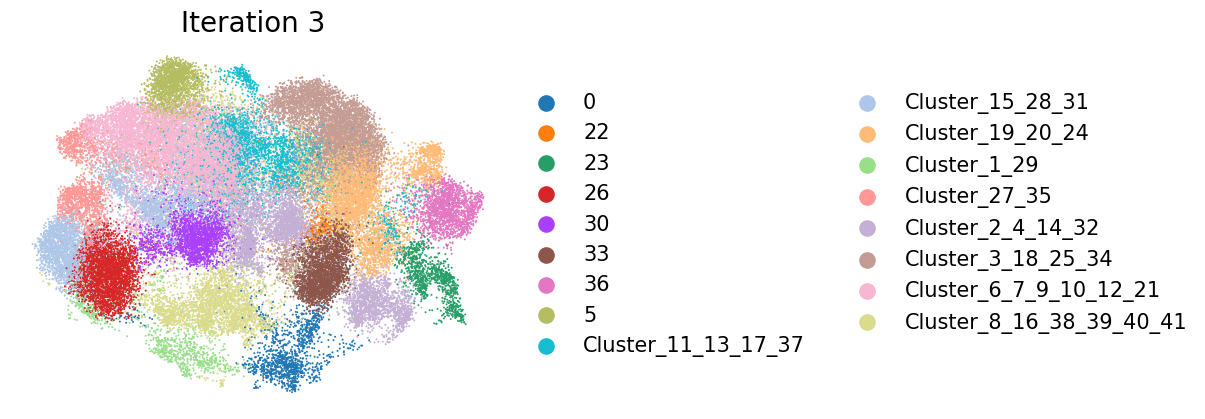
Developed an iterative cluster merging algorithm to achieve optimal sub-cell type annotation with minimal manual effort. Starting from high-resolution Leiden clustering (resolution=3), the method computes pairwise DEGs between all clusters (FDR < 0.05, logFC > 3), ranks pairs by ascending DEG count, and iteratively merges the top 5% most similar pairs. Tie-breaking uses centroid distance in embedding space. Applied to pan-cancer T-cell data, the algorithm reduced 42 initial clusters to biologically meaningful sub-cell types over 3 iterations, recovering known populations including NK/NKT, MAIT, Treg, Th17, Tfh, and exhausted CD4/CD8 subtypes.
Virtual Cell: Tahoe-100M Data Analysis & scGPT Fine-Tuning
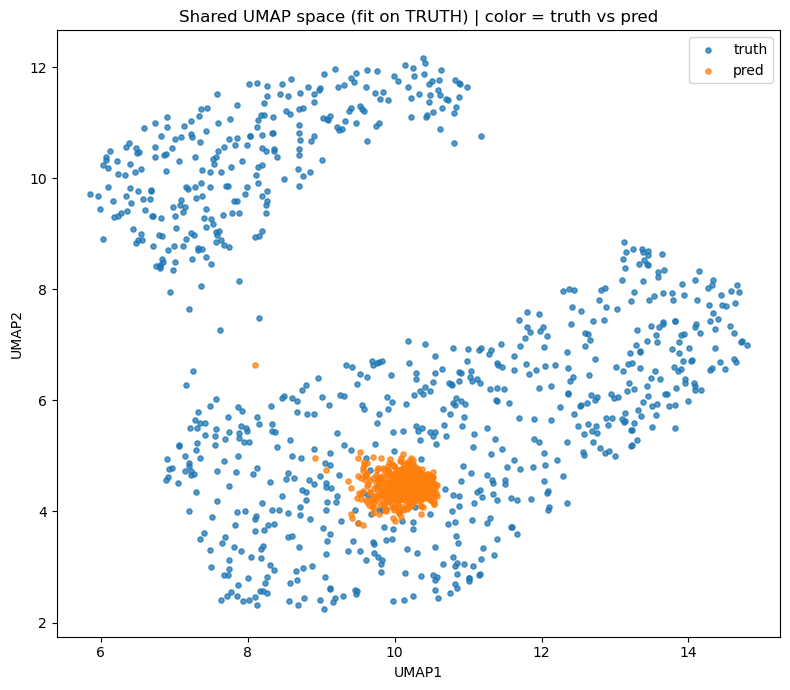
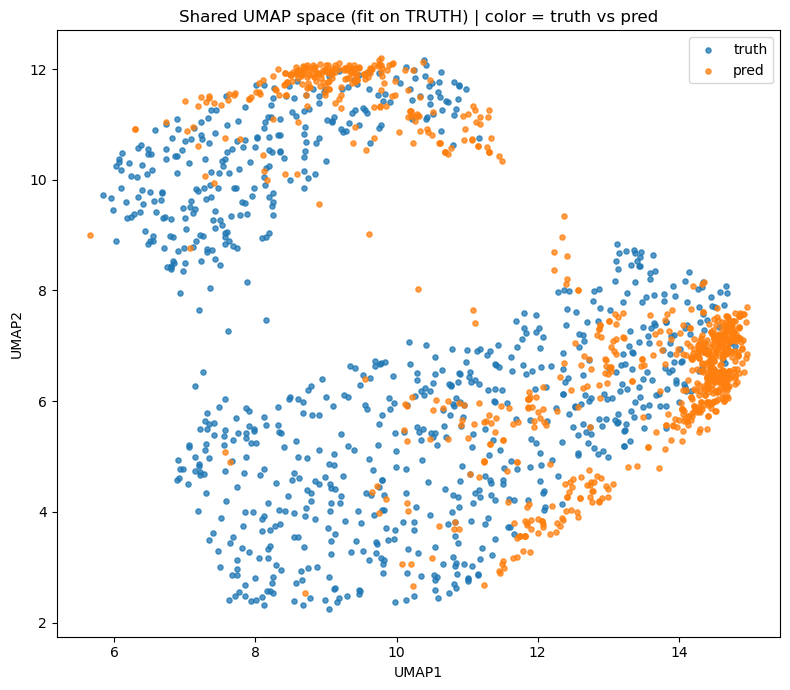
Hyeonkyu Kim, Kanghee Cho, Seongmi Woo, Dohyun Lee, Seokwon Kim, Junil Kim, Daewon Lee, Sangmin Park (Soongsil University, Chung-Ang University, Chungnam National University) · Topic: Drug perturbation prediction with scGPT
Explored virtual cell modeling by analyzing the Tahoe-100M large-scale drug perturbation dataset (429GB) and training scGPT for drug response prediction. Preprocessed the data by converting drug targets to CRISPR-style conditions for scGPT compatibility, using a single cell line (CVCL_0546) with 379 drugs. Compared fine-tuning a pretrained scGPT model versus training from scratch. Fine-tuned models showed improved UMAP overlap between predicted and ground truth gene expression distributions, though limitations remain in data representativeness and biological validation of predictions.
OpenClaw-Based AI Data Scientist
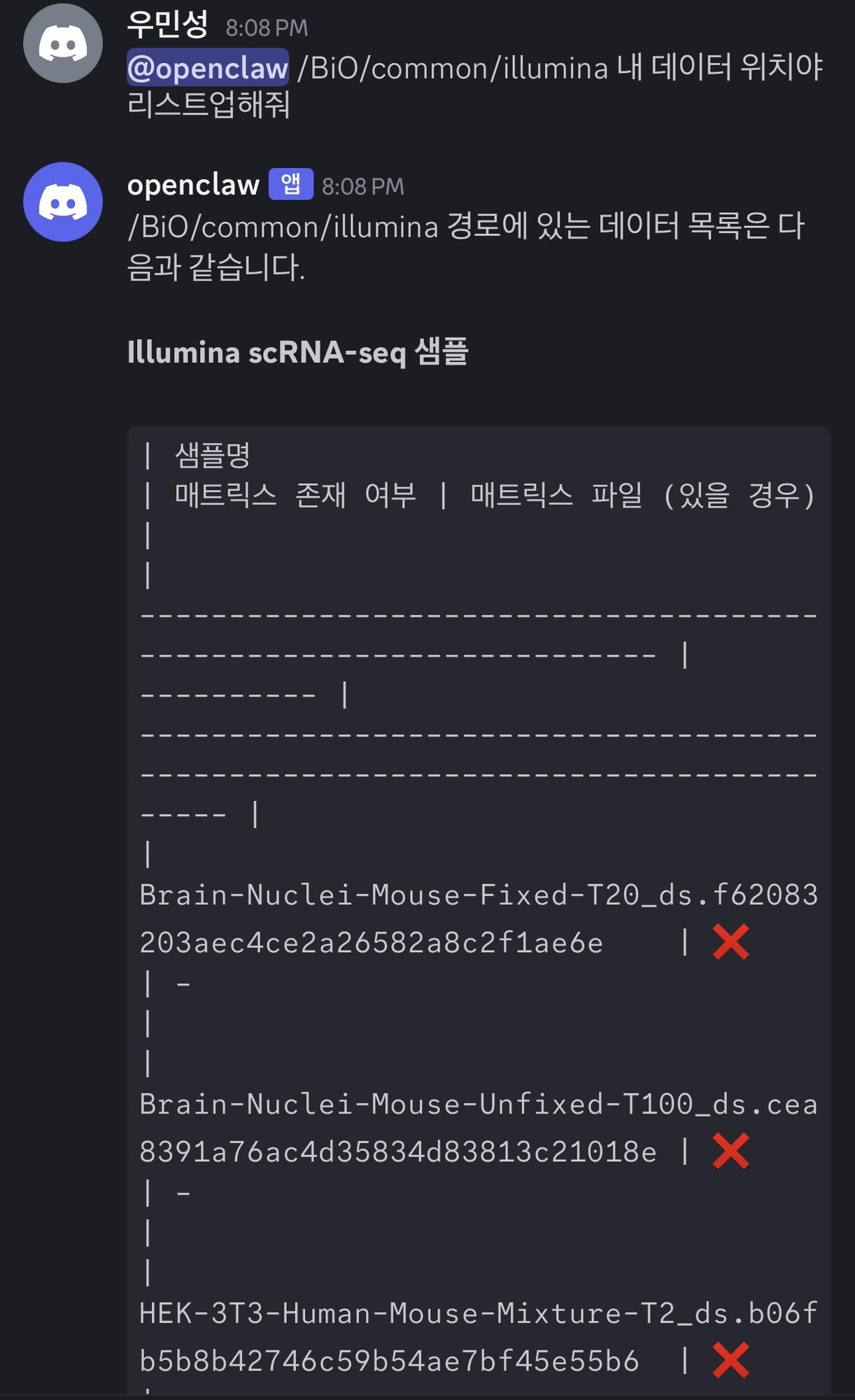
Minseong Woo (PNU COLab) · Topic: AI agent for automated single-cell & spatial analysis
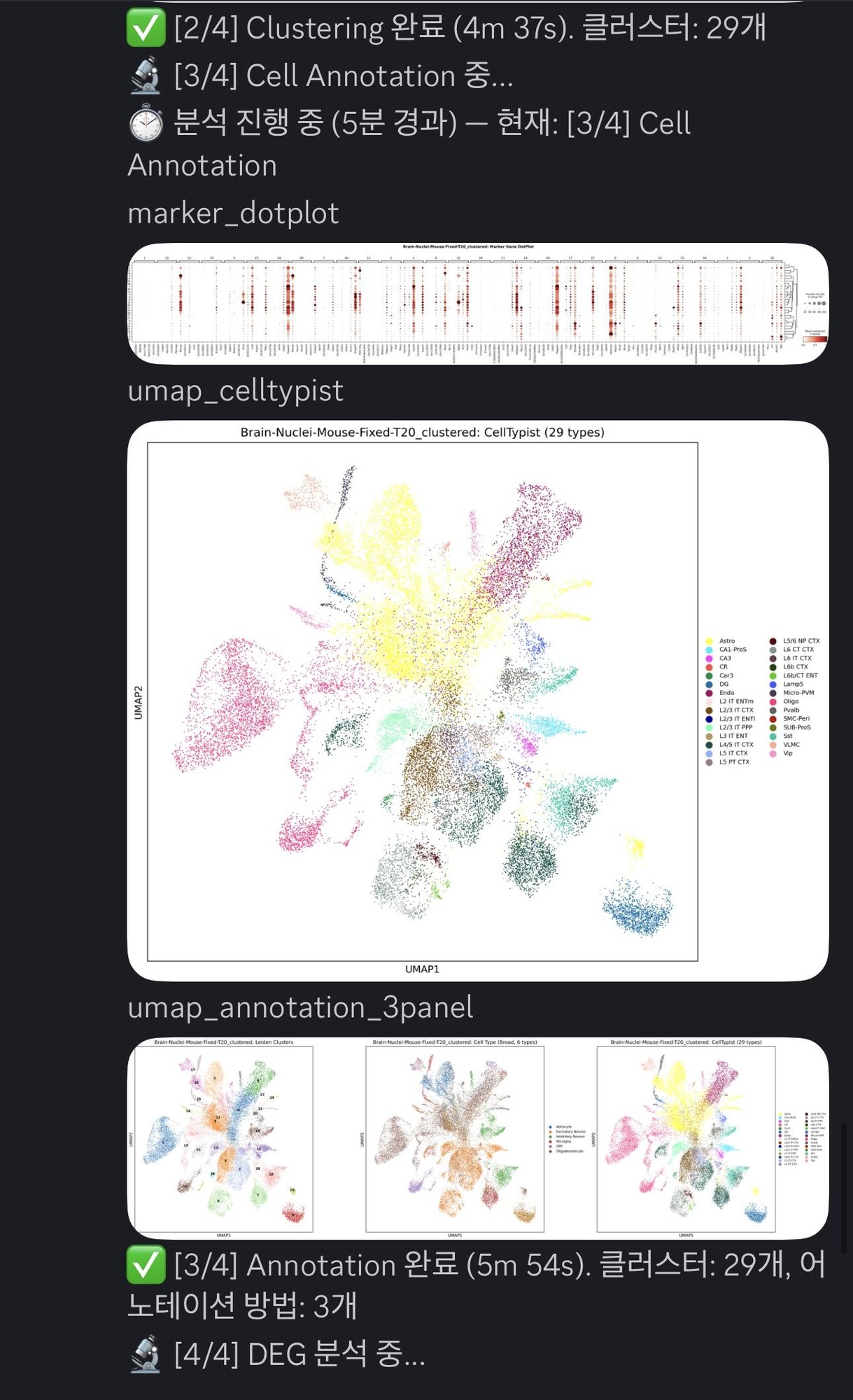
Developed an AI-powered data scientist agent based on OpenClaw, a technology that enables AI to directly control computer interfaces (mouse, keyboard, screen). The system accepts analysis requests via Discord messages and autonomously executes reproducible analysis pipelines. It comprises specialized sub-agents (sc-agent, spatial-agent, web-browsing-agent, coding-agent) powered by local LLMs (gpt-oss-120B, gemma3-27B) and Claude API, connected via MCP servers. The workflow routes data to appropriate agents, executes analysis skills, and reports progress every 5 minutes. Demonstrated live on mouse brain fixed single-cell data, performing clustering (29 clusters), CellTypist annotation, and DEG analysis automatically.
Foundation Model Benchmarking for Cell Subtype Annotation
Jaewoo Mo, Jiyeon Park (Laboratory for Single Cell Systems, Prof. Junil Kim, Soongsil University) · Topic: Evaluating scGPT & scFoundation for high-resolution subtype recovery
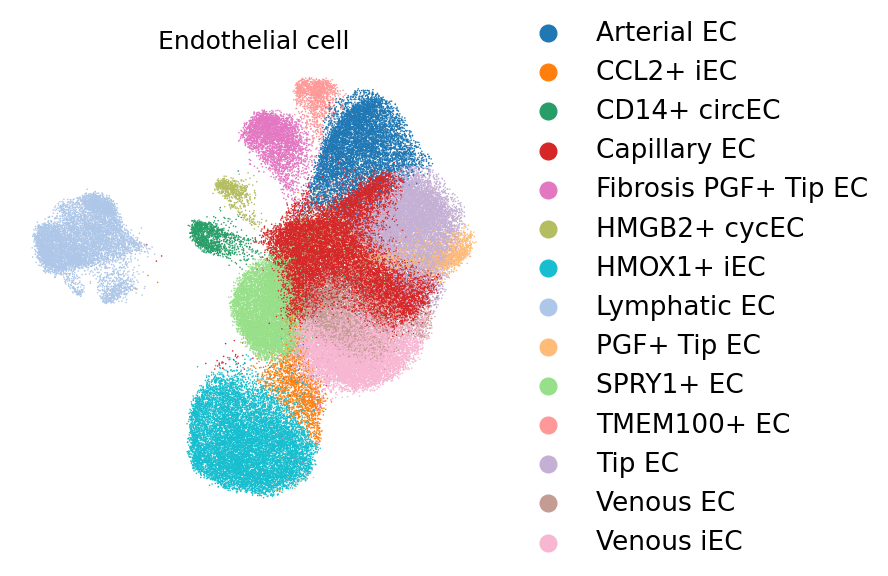
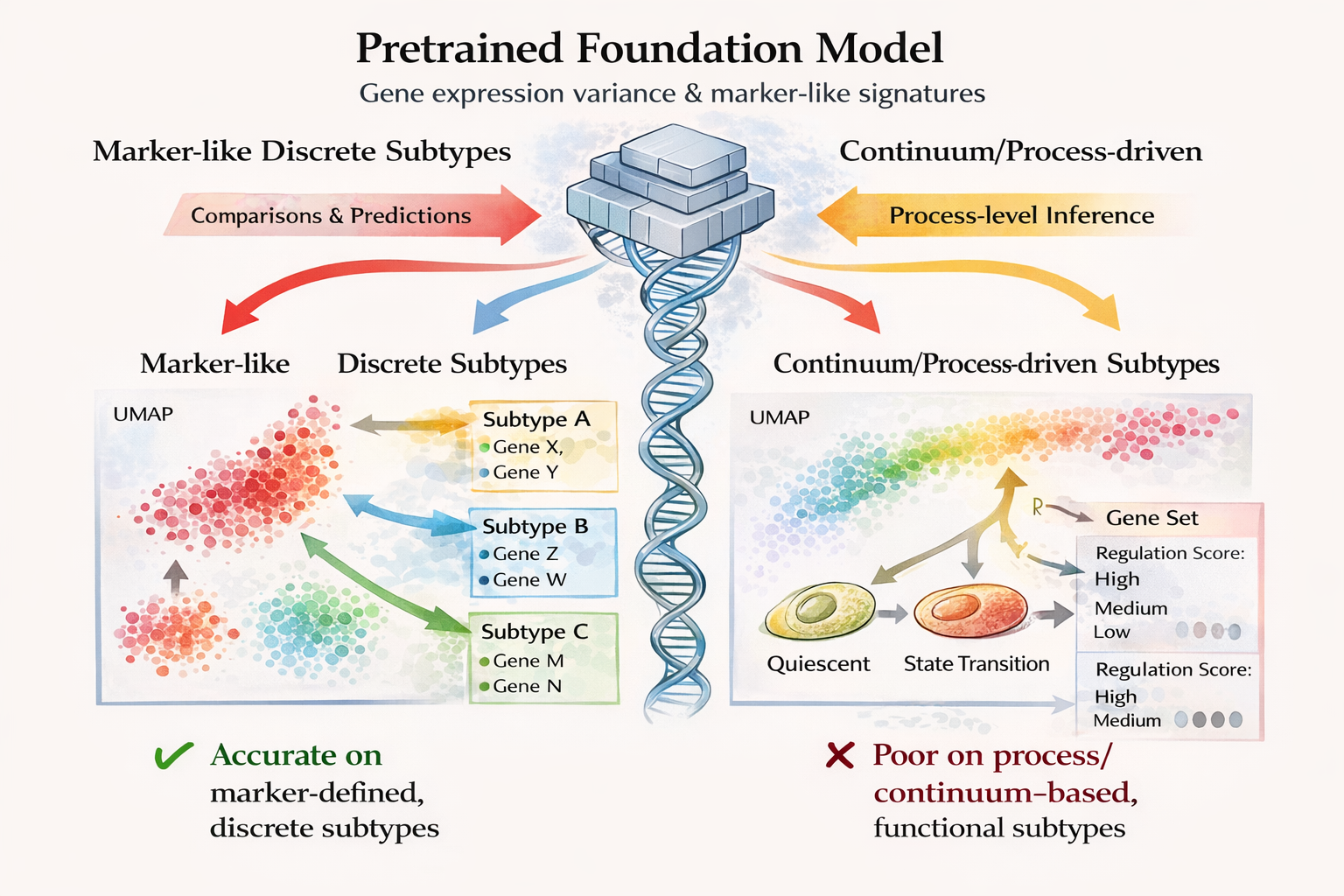
Systematically benchmarked pretrained foundation models (scGPT and scFoundation) for their ability to recover high-resolution cell subtypes without fine-tuning. Used large-scale pan-cancer (2.3M cells, 91 subtypes) and cardiac (2.4M cells, 39 subtypes) single-cell atlases as references, splitting 70/30 for reference/query with label masking. Generated embeddings via scGPT and scFoundation, performed label transfer via BBKNN and scVI, and compared predictions against manual annotations. Found that pretrained models perform well on marker-defined discrete subtypes but struggle with continuum/process-driven functional subtypes, highlighting the limits of foundation model generalization for fine-grained cell annotation.